The Allure of Gambling
The psychology behind gambling decisions often starts with the allure of the game itself. Many individuals are drawn to the excitement and thrill that gambling provides. This often stems from the anticipation of winning and the potential for life-changing payouts. Casinos and gambling platforms have designed environments that amplify these feelings, from the flashing lights and sounds to the overall ambiance that encourages a sense of adventure and risk-taking. Players looking for a rewarding online experience have options like https://bigboost-nz.org to consider.

Additionally, the concept of "near misses" plays a significant role in gambling psychology. Players may experience feelings of exhilaration when they come close to winning, which can lead to increased motivation to continue playing. This psychological phenomenon can create a false sense of control over the outcome, leading players to believe that they can influence the results more than they actually can. Such a mindset contributes to the compulsion to keep gambling, as the thrill of nearly winning often outweighs the reality of losses.
Furthermore, social influences also contribute to the allure of gambling. Engaging in gambling activities can provide a sense of belonging and community among players. This social interaction can amplify excitement and create bonds between individuals who share similar interests. Whether it's at a brick-and-mortar casino or an online platform, the communal aspect of gambling helps reinforce the desire to continue making decisions that may not always be in one’s best financial interest.
The Role of Cognitive Biases
Cognitive biases significantly shape gambling decisions, often leading players to make irrational choices. One prevalent bias is the gambler's fallacy, where individuals believe that past outcomes will influence future results. For example, if a player experiences a series of losses, they may feel that a win is "due" and continue to bet, disregarding the reality that each spin or game is statistically independent. This misconception can lead to substantial financial losses over time, as players chase their perceived luck.
Another notable cognitive bias is the illusion of control, where gamblers overestimate their ability to influence random events. For instance, a player may believe that their strategy or skills can affect the outcome of a game like roulette, which is purely based on chance. This illusion can encourage gamblers to make riskier bets, driven by the belief that they can outsmart the game. Such thinking often leads to continued gambling, even in the face of mounting losses.
Additionally, confirmation bias influences how players interpret their gambling experiences. Gamblers often focus on their winning moments while downplaying or ignoring losses. This selective memory can create an overly optimistic view of one's gambling success, reinforcing the desire to continue playing despite the evidence of overall losses. By maintaining this skewed perspective, players are more likely to make decisions that could negatively impact their financial health.
Emotional Triggers and Their Impact
Emotions play a crucial role in gambling decisions, often dictating the actions of players more than rational thought. For many, the excitement of gambling can serve as an emotional escape from daily stressors or life challenges. The thrill of placing a bet or spinning a slot machine can temporarily elevate mood, providing a sense of euphoria that keeps players coming back for more. However, this emotional dependence can lead to compulsive gambling behaviors, as individuals seek to replicate that high.
Furthermore, negative emotions such as anxiety or depression can drive individuals toward gambling as a coping mechanism. Many find solace in the potential escape that gambling offers, viewing it as a way to alleviate their emotional pain. Unfortunately, this can create a vicious cycle, where temporary relief is followed by guilt or shame, leading to further gambling in an attempt to regain that fleeting sense of happiness. Over time, this pattern can spiral out of control and lead to detrimental financial and emotional consequences.
Moreover, the response to wins and losses can significantly impact future gambling decisions. The joy experienced after a win can trigger further betting, as players chase that emotional high. Conversely, losses can lead to feelings of frustration and the desire to recover lost money, prompting riskier behavior in an effort to regain control. Understanding these emotional triggers can help players recognize their motivations and develop healthier attitudes toward gambling.
The Influence of Environment and Marketing
The environment in which gambling takes place can profoundly affect decision-making. Casinos and online platforms utilize various design elements to create an immersive experience that encourages longer playtime. For example, the absence of clocks and windows in physical casinos disorients players and can lead to prolonged sessions. This intentional design choice manipulates the player's perception of time, making it easier to lose track of hours spent gambling.
Moreover, marketing strategies also play a critical role in shaping gambling decisions. Promotions, bonuses, and advertisements often target specific emotions or cognitive biases, enticing potential players with the promise of big wins. For instance, online casinos might use testimonials from successful gamblers to create an illusion of attainable success. Such marketing tactics reinforce the idea that gambling can be a viable means of making money, ultimately leading players to make impulsive decisions that they may later regret.
Furthermore, the rise of social media has transformed the gambling landscape, enabling greater access to information and influencing player behavior. Social media platforms can perpetuate a culture of gambling, showcasing successful wins and lifestyle aspirations associated with gambling. This exposure can normalize the activity, making it more appealing, especially to younger audiences. Understanding these environmental and marketing influences can empower players to make more informed decisions and recognize when external factors are driving their gambling behavior.
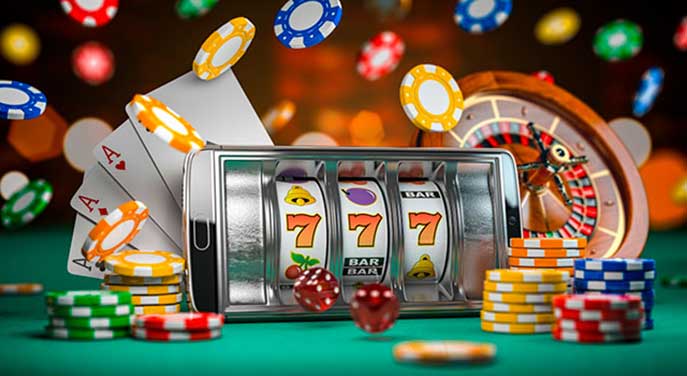
Big Boost Casino: A Safe Gaming Environment
Big Boost Casino stands out as a premier online gaming platform designed with player safety and enjoyment in mind. Offering an extensive selection of games, it provides an inviting environment for both new and seasoned players alike. With a strong focus on user experience, the platform aims to combine entertainment with security, ensuring that players can enjoy their gaming experience without the worry of unfair practices.
Moreover, the casino offers generous welcome bonuses, giving new users an enticing opportunity to explore various games and features without significant risk. With thousands of games from reputable providers, players have ample options to satisfy their gaming preferences. The advanced security measures and a Curaçao gaming license ensure a fair and transparent gaming environment, making Big Boost Casino an excellent choice for anyone interested in online gambling.
In conclusion, understanding the psychology behind gambling decisions is crucial for fostering a healthy approach to gaming. Platforms like Big Boost Casino emphasize not only entertainment but also responsible gaming practices. By recognizing the emotional and cognitive factors that influence gambling behavior, players can engage in a more balanced and informed way, enhancing their overall experience while mitigating risks associated with compulsive gambling.