The Historical Context of Gambling
Gambling has a rich history that spans thousands of years, with its origins tracing back to ancient civilizations. Archaeological findings suggest that games of chance were played in areas like China and Mesopotamia as early as 3000 BC. The ancient Greeks and Romans also engaged in various gambling activities, often tied to festivals and religious ceremonies. These early forms of gambling laid the foundation for many modern practices, shaping cultural perceptions and societal norms surrounding games of chance. Today, many players enjoy an experience with online pokies that reflects this long history.
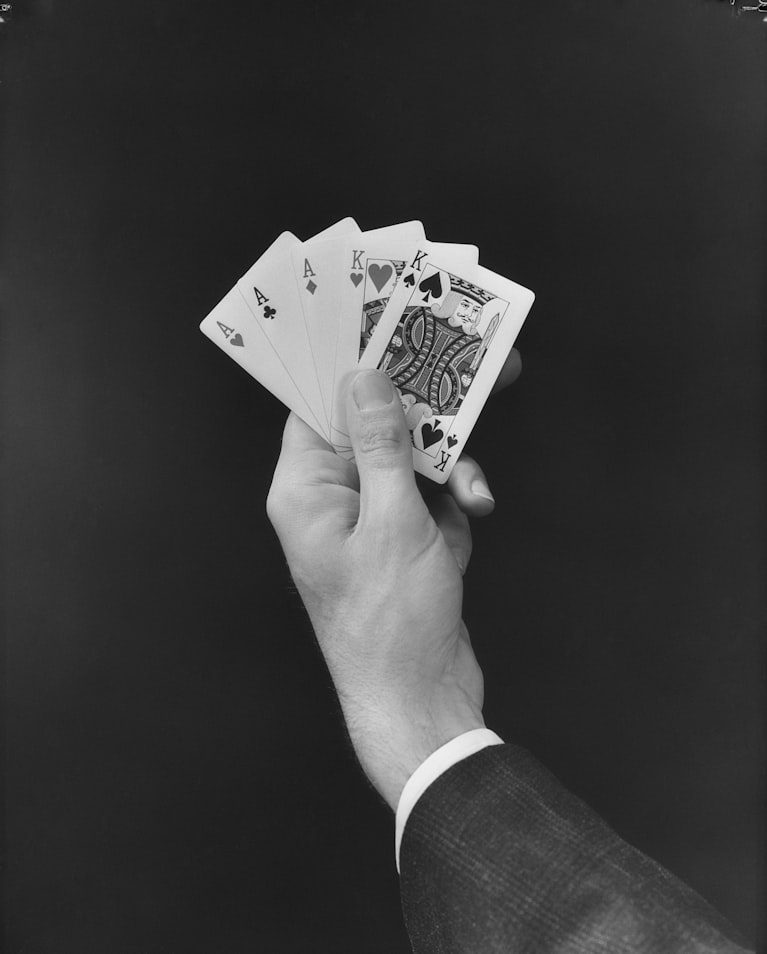
Throughout history, gambling has often been seen as a double-edged sword. On one hand, it offers entertainment and the thrill of risk-taking; on the other, it has been associated with moral issues and societal decay. The attitudes toward gambling have varied significantly across cultures, influenced by religious beliefs and social values. For example, while gambling is celebrated in some cultures as a rite of passage, in others, it is viewed with suspicion or outright disapproval, reflecting the complexities of its historical significance.
As societies evolved, so did the methods and venues of gambling. From ancient dice games to the grand casinos of Las Vegas, the transformation of gambling practices reflects broader changes in human behavior and social organization. The historical context of gambling not only provides insight into its development but also highlights how it continues to play a role in contemporary culture and entertainment, transcending borders and connecting people across the globe.
Cultural Perceptions of Gambling
Cultural perceptions of gambling can significantly influence how it is integrated into society. In some cultures, such as those in parts of Asia, gambling is deeply rooted in tradition and often tied to rituals. For instance, during the Lunar New Year, many families partake in games like Mahjong, viewing it as an opportunity for social bonding and fortune. This cultural embrace of gambling contrasts sharply with cultures that stigmatize it, viewing such activities as wasteful or morally corrupt.
The psychological aspects of gambling often intersect with cultural beliefs. In societies where gambling is normalized, individuals may experience less guilt associated with their gambling behaviors, seeing it as a form of entertainment. Conversely, in cultures where gambling is frowned upon, individuals may grapple with internal conflicts, leading to secrecy or shame around their participation in gambling activities. This duality highlights the impact of societal norms and values on individual behavior.
Additionally, the growth of online gambling has created a new dimension in cultural perceptions. The convenience of accessing gambling platforms from home has blurred the lines of what is socially acceptable. While some cultures embrace the innovation, viewing online gambling as a modern form of entertainment, others are concerned about its potential to exacerbate addiction and social issues. This ongoing evolution reflects the complexities of cultural attitudes towards gambling, raising questions about its future within society.
The Psychological Aspects of Gambling
The psychological allure of gambling is a significant factor that contributes to its widespread popularity. The thrill of winning and the potential for financial gain trigger the brain's reward system, often leading to addictive behaviors. Many gamblers are drawn to the excitement and adrenaline that come with placing bets, reinforcing the cycle of desire and reward. This can create a powerful compulsion that may lead individuals to gamble beyond their means.
Research suggests that various psychological factors influence gambling behavior. For example, cognitive biases, such as the illusion of control, can lead gamblers to believe they can influence the outcome of games of chance. This misconception can encourage continued participation, despite the odds being stacked against them. Furthermore, the concept of "loss aversion" explains why many individuals are willing to continue gambling in an attempt to recover losses, perpetuating a cycle of risky behavior.
Another psychological aspect to consider is the role of social interactions in gambling. Many people view gambling as a communal activity, often participating in groups at casinos or online gaming platforms. This social element can enhance the overall experience, fostering connections and camaraderie among players. However, it can also create an environment where excessive gambling is normalized, complicating the relationship between social behavior and individual accountability.
Regional Variations in Gambling Practices
Gambling practices vary widely across different regions, each influenced by local customs, laws, and societal attitudes. In Europe, for example, gambling is often viewed as a legitimate form of entertainment, with well-regulated casinos and betting shops integrated into daily life. Countries like the UK have a long history of gambling, supported by robust legal frameworks that promote responsible gaming. This acceptance is reflected in the variety of gaming options available, catering to diverse preferences and tastes.
In contrast, the approach to gambling in parts of the Middle East can be significantly different, influenced by religious beliefs that often prohibit games of chance. In many Islamic countries, gambling is viewed as haram, or sinful, leading to strict regulations or outright bans. However, this has not completely eliminated gambling activities; underground casinos and online platforms can be found, reflecting a complex relationship with gambling that exists beneath the surface of cultural prohibitions.
In Asia, gambling takes on unique forms and significance, particularly in countries like Macau and Singapore, which have emerged as major gambling hubs. In these regions, gambling is often tied to tourism and economic growth, contributing to the local economy while also attracting international attention. Cultural events, such as Chinese New Year celebrations, often feature gambling as a central theme, blending tradition with modern practices. These regional variations illustrate how gambling is adapted and embraced differently across the globe, shaping unique identities within diverse cultures.
Exploring Modern Online Gambling
The rise of online gambling has revolutionized the way people engage with games of chance. With easy access to various platforms, players can enjoy a vast array of games from the comfort of their homes. This accessibility has broadened the audience for gambling, attracting individuals who may not have visited a traditional casino. The online environment also creates opportunities for innovative gaming experiences, including live dealer games that replicate the casino atmosphere while allowing for remote participation.
However, the convenience of online gambling brings its own set of challenges. The lack of physical barriers can lead to an increase in impulsive gambling behaviors, making it essential for operators to implement responsible gaming measures. Features such as self-exclusion tools, deposit limits, and educational resources are vital in supporting players and mitigating potential risks. This emphasis on responsible gambling reflects a growing awareness of the psychological effects associated with online gaming.
As technology continues to evolve, the landscape of online gambling will likely shift further, integrating advancements such as virtual reality and artificial intelligence. These innovations promise to enhance user engagement and create more immersive experiences, but they also raise ethical considerations regarding gambling addiction and consumer protection. As society navigates this rapidly changing environment, understanding the cultural implications and psychological factors at play will be crucial in shaping the future of gambling practices around the world.

Conclusion and Resource on Gambling Practices
Understanding the cultural insights into gambling practices worldwide reveals a complex interplay of history, psychology, and societal values. While some cultures embrace gambling as a form of entertainment and tradition, others view it through a lens of caution and morality. The psychological factors driving gambling behaviors, coupled with regional variations and modern advancements in online gaming, contribute to an evolving landscape that continues to capture human interest.
As players seek out engaging and secure environments for their gambling experiences, resources like Online Pokies NZ offer valuable insights. This platform serves as a guide for individuals looking to navigate the world of online casinos, providing information on trustworthy gaming options, promotions, and safe payment methods. By promoting responsible gaming practices and enhancing user experiences, such resources play a crucial role in supporting the diverse and dynamic world of gambling.