The Psychological Appeal of Gambling
The thrill of gambling extends beyond mere financial gain; it taps into deep psychological elements that attract individuals to games of chance. The excitement generated by the possibility of winning forms a strong emotional connection that draws players in. This emotional high, driven by adrenaline, creates an addictive cycle that can be difficult to break. Players often find themselves chasing that euphoric feeling of hitting the jackpot or scoring big, leading to an exhilarating experience that is both thrilling and dangerous. In this realm, players might discover exciting opportunities such as plinko slot, which adds to the overall excitement.

Moreover, the unpredictability of outcomes enhances the allure of gambling. Every flip of a card or roll of the dice presents an opportunity for a tale of triumph or disappointment, making every session a dramatic affair. This unpredictability fosters a sense of control as players believe they can influence outcomes through strategy, even though luck is a significant factor. The blend of strategy and chance creates a dynamic experience that contributes to its ongoing popularity.
The Social Aspect of Games of Chance
Many gambling activities are social events that foster community and camaraderie. Whether people are gathered around a poker table, cheering for their favorite horse at the racetrack, or enjoying a night out at a casino, the collective atmosphere enhances the overall experience. This social interaction provides a backdrop where friendships can form, and new connections can be made, all while engaging in a pursuit that excites the senses.
Participating in games of chance offers a communal engagement that transcends individual gameplay. Each interaction, shared story, or even the collective gasp when a player wins creates a rich tapestry of experiences that bind individuals together. The joy of cheering someone on or sharing in their victory can amplify the thrill of gambling, making it more than just a solitary pastime.
The Cultural Significance of Gambling
Throughout history, gambling has played an integral role in various cultures, often linked to rituals, celebrations, or rites of passage. From ancient civilizations that engaged in betting during festivals to modern-day tournaments, the significance of chance in gaming resonates deeply within cultural narratives. Such activities are often steeped in tradition, giving players a sense of belonging and continuity with their heritage.
In contemporary society, gambling continues to evolve, reflecting societal changes and attitudes towards chance and risk. This complexity adds layers to the experience, as players may find themselves not only participating in games for monetary gain but also engaging in a cultural celebration or a rite of passage that connects them to their shared history.
Exploring Online Gaming Platforms
In the digital age, the landscape of gambling has dramatically transformed, with online gaming platforms offering unprecedented access to a plethora of games. These platforms have become increasingly popular due to their convenience and the ability to play from the comfort of one's home. The thrill of wagering is now just a click away, appealing to a global audience eager to engage in risk-taking adventures.
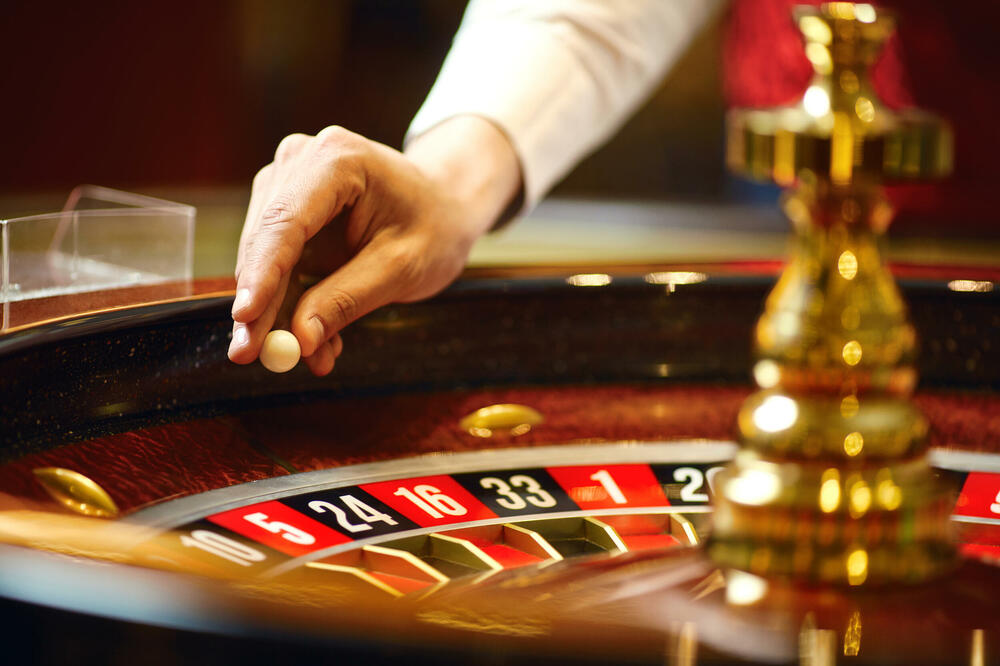
The rise of online platforms has also led to innovations in gaming technologies, such as live dealer games and virtual reality experiences. These features enhance immersion, making players feel as though they are part of a physical casino while still enjoying the benefits of online convenience. As players continue to seek new experiences, the allure of chance remains a powerful draw, maintaining the excitement of wagering in a rapidly evolving environment.